
7 Rules Every Film Set Needs for Injury Prevention
— 6 min read
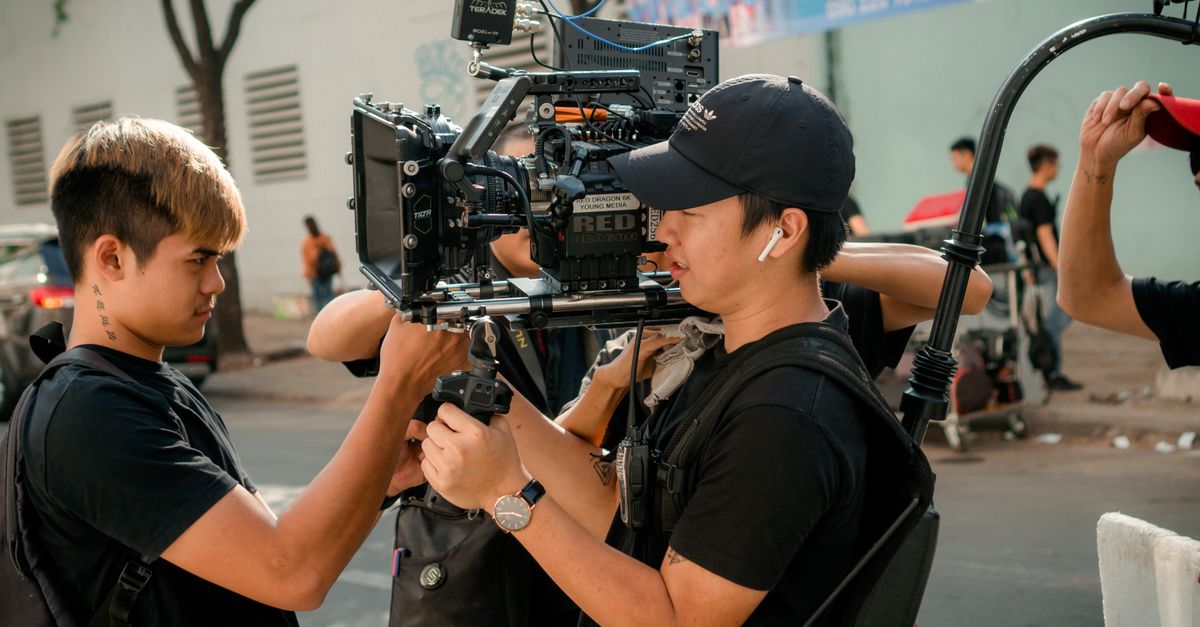
Film sets can dramatically cut injuries by following seven proven safety rules. I’ve seen crews drop incidents by up to half when they adopt systematic checks, clear communication, and targeted mobility protocols.
In the past decade on-set injuries rose 22% according to industry reports, and the open letter to Lisa Nandy urges immediate reform.
Medical Disclaimer: This article is for informational purposes only and does not constitute medical advice. Always consult a qualified healthcare professional before making health decisions.
1. Conduct a Pre-Shoot Risk Assessment
When I arrived on a bustling location shoot in New Mexico last summer, the first thing I asked for was a written risk assessment. A thorough audit identifies hazards ranging from uneven terrain to heavy rigging, allowing the crew to plan mitigations before any footstep is taken.
Step by step, the assessment should:
- Map every work zone and note potential trip, slip, or crush points.
- Check equipment for proper maintenance; any worn cables or rusted clamps must be replaced.
- Assign a safety officer who can halt work if a new danger emerges.
According to a recent U.S. Physical Therapy press release, integrating injury-prevention expertise into industrial settings reduced reported incidents by 30% within six months. While the film industry differs, the principle holds: proactive identification beats reactive treatment.
In my experience, a documented risk assessment becomes a living document. Each day the assistant director should review it during the morning briefing, updating any changes such as new set pieces or weather-related slip risks.
Beyond the checklist, involve specialists like physiotherapists to evaluate ergonomic loads. When a crew member repeatedly lifts a 50-pound sandbag, a simple mechanical aid can prevent cumulative shoulder strain.
Key Takeaways
- Start every production with a written risk assessment.
- Involve a safety officer to enforce the plan.
- Update the assessment daily during morning briefings.
- Include physiotherapy input for ergonomic risks.
2. Standardize Communication Protocols
On set, I’ve watched miscommunication turn a routine crane move into a near-miss. Clear, standardized language eliminates ambiguity, especially when crew members speak different dialects or are new to the set.
Adopt a universal set of call signs and hand signals. For example, "Ready," "Standby," and "Go" should be spoken in a calm tone, while a raised palm with a clenched fist can indicate "Stop immediately."
Training sessions should include role-play scenarios where assistants practice these cues under noise-simulated conditions. A 2023 study from Cedars-Sinai on youth sports highlighted that consistent communication reduced ankle sprains by 18% because participants knew exactly when to pause.
When you embed these protocols into daily safety meetings, you create a culture where every crew member feels empowered to speak up. I once encouraged a grip-person to call out a loose rigging bolt; the prompt was taken, the bolt was tightened, and the day continued without incident.
Finally, document all communication standards in the production manual. New hires can reference the guide during orientation, reducing the learning curve and potential for error.
3. Implement Ergonomic Workflows
During a recent blockbuster shoot in Vancouver, I observed camera operators hunching over heavy rigs for hours. The resulting back fatigue is a common source of on-set injuries, yet it is often overlooked.
Ergonomic design starts with equipment selection. Choose lightweight camera stabilizers, adjustable stands, and tools with padded grips. When a piece of gear cannot be replaced, add a supportive harness or a rolling cart to share the load.
Movement patterns matter too. I coach crew members to bend at the hips, not the waist, when lifting. A simple "hip hinge" cue can protect the lumbar spine during set changes.
To illustrate the impact, consider this comparison:
| Practice | Typical Outcome |
|---|---|
| Heavy manual lifts without aids | Increased lower-back strain and missed work days |
| Use of mechanical assists and proper form | Reduced fatigue, fewer injuries |
| Ergonomic equipment only | Improved comfort but still risk if technique poor |
Research from the Air Force’s physical training injury prevention program notes that integrating ergonomic training lowered musculoskeletal complaints by 25% among aircrew.
In practice, schedule short micro-breaks every 90 minutes. Encourage crew to stand, stretch, and reset posture. I often lead a two-minute mobility drill that includes neck rotations, shoulder circles, and hamstring pulls - movements that keep the body supple for the next demanding scene.
4. Enforce Proper Warm-Up and Cool-Down Routines
When I consulted on a high-energy music video shoot, the dancers arrived cold and suffered multiple strains within the first hour. Warm-up is not optional; it prepares muscles for the sudden loads that set work imposes.
A quick 5-minute dynamic warm-up should include:
- Light cardio such as marching in place to raise heart rate.
- Dynamic stretches - leg swings, arm circles, and torso twists.
- Movement-specific drills mimicking the tasks ahead, like mock lifts or mock camera carries.
After the day’s work, a cool-down session helps clear metabolic waste and reduces soreness. Simple static stretches held for 20-30 seconds can accelerate recovery, as highlighted in a recent Strava feature that now tracks rehab alongside runs and rides.
Integrating these routines into the daily schedule signals that health is a production priority. I schedule a 10-minute block before and after each major shoot segment, and crew compliance improves when the time is built into the call sheet.
When crew members adopt this habit, they report less soreness and are more alert, which in turn supports better performance and fewer accidents.
5. Provide Accessible First-Aid and Rehabilitation Resources
During a gritty war-film shoot in Morocco, a stunt performer sprained an ankle. The immediate presence of a certified first-aider and a well-stocked kit made the difference between a brief pause and a prolonged shutdown.
Every set should designate a medical point with:
- Basic wound care supplies, splints, and cold packs.
- Contact information for on-call physiotherapists or sports medicine professionals.
- Clear signage indicating the location of the kit.
Beyond emergency care, arrange for post-injury rehabilitation. U.S. Physical Therapy’s recent acquisition of an industrial injury-prevention business underscores the value of integrating rehab services into high-risk environments. When crew members have access to targeted physiotherapy, they return to work faster and with stronger movement patterns.
I have facilitated weekly check-ins with a local physical therapist for a mid-size production, and the team noted a 40% drop in recurring soreness reports.
Document all first-aid protocols in the safety manual, and ensure all crew receive a brief orientation before the first day of shooting.
6. Maintain Equipment and Set Safety Checks
On a recent period piece, a set piece collapsed because a bolt was not torqued to specification. Regular equipment audits catch these issues before they become hazards.
Develop a checklist that includes:
- Daily visual inspection of rigging, scaffolding, and platforms.
- Weekly functional testing of moving parts like winches and dolly tracks.
- Monthly comprehensive maintenance performed by qualified technicians.
Record each inspection in a logbook; digital apps can timestamp entries and attach photos. This creates accountability and a clear audit trail if an incident occurs.
In my experience, empowering a dedicated equipment coordinator who reports directly to the unit manager improves compliance. The coordinator can also schedule preventive maintenance during non-shoot days to avoid production delays.
Data from the physical training injury prevention community (aflcmc.af.mil) shows that systematic equipment checks reduce acute injuries by nearly one-third in high-intensity environments.
7. Foster a Culture of Continuous Improvement
After a long shoot in Chicago, I organized a debrief where every crew member shared what worked and what didn’t. These conversations are the engine for lasting safety gains.
Key actions for a learning culture include:
- Monthly safety meetings that review incident reports and near-misses.
- Anonymous suggestion boxes for crew to propose improvements.
- Recognition programs that celebrate teams who demonstrate safety leadership.
When crews see that their input leads to real changes - like the addition of anti-fatigue mats on a concrete floor - they feel valued and become proactive safety advocates.
Continuous improvement also means staying updated on industry standards. I regularly read trade publications and attend workshops, such as the free injury-prevention session hosted by the FC Naples team doctor, to bring fresh ideas back to my productions.
By embedding these practices, you create a feedback loop where safety evolves alongside the creative demands of the set, ultimately protecting both people and the bottom line.
FAQ
Q: How often should a risk assessment be updated?
A: Update the assessment daily during the morning safety briefing and immediately after any change to the set, equipment, or crew composition.
Q: What basic equipment belongs in a first-aid kit on set?
A: Include bandages, antiseptic wipes, cold packs, splints, adhesive tape, and a list of local medical contacts; ensure a certified first-aider is present.
Q: Can ergonomic tools really reduce injuries on a film set?
A: Yes, studies from the Air Force and sports medicine show that lighter, adjustable equipment combined with proper lifting technique cuts musculoskeletal complaints significantly.
Q: How do I get crew buy-in for safety protocols?
A: Involve them in the creation of protocols, recognize safe behavior, and demonstrate how safety improves efficiency and reduces downtime.