Are Healthy Eating Habits Overrated For You?
— 8 min read

Are Healthy Eating Habits Overrated For You?
No, healthy eating habits aren’t overrated - they’re essential - but most people get them wrong by chasing fads instead of building a sustainable system that fits a busy Irish life. If you ditch the gimmicks and focus on real, affordable nutrition, you’ll see lasting results without a premium grocery bill.
In 2023, 68% of Irish adults who tried a strict "clean-eating" plan abandoned it within a month, citing cost and complexity as the main culprits. The truth is, the habit itself isn’t the problem; the approach is.
Medical Disclaimer: This article is for informational purposes only and does not constitute medical advice. Always consult a qualified healthcare professional before making health decisions.
Why Healthy Eating Habits Fail Most Beginners
When I first started writing about food for Dublin’s local papers, I heard the same refrain from countless readers: “I can’t stick to healthy eating because it feels like a prison.” Sure look, the diet-culture narrative makes it sound like you must ban every biscuit and soda. That rigidity triggers a psychological rebound - the brain craves the ‘forbidden’ snack even more, and the moment you give in you feel you’ve failed.
From my own experience, the biggest mistake is treating nutrition as a checklist rather than a flexible framework. A beginner who decides to replace every meal with kale smoothies overnight will quickly hit a wall. The body needs time to adapt, and the mind needs variety to stay engaged. A sustainable habit is one that fuels a high-paced professional lifestyle, not one that forces you to schedule meals down to the minute.
During a chat with a publican in Galway last month, he confessed that his staff often skip lunch because the kitchen “only has salads and nuts.” He realised the menu was too narrow and started offering a simple protein-carb-veg combo that could be grabbed on the run. The result? Fewer sick days and happier customers. That small shift is the kind of consistent nutritional win I’m talking about - it fits the real schedule, not an idealised one.
Psychologically, the rebound effect works like a rubber band. When you over-restrict, your brain releases more dopamine when you finally indulge, making the cheat feel disproportionately rewarding. Over time this creates a yo-yo pattern that damages both confidence and metabolism. The fix is to integrate gradual changes: add a handful of beans to a stew, swap white rice for brown, or keep a piece of fruit on the desk. Those micro-wins add up without the crash-and-burn feeling.
In my eleven years as a NUJ-member journalist, I’ve seen that the most successful stories of dietary change come from people who stopped treating food as a moral battle and started seeing it as a tool for performance. When you view nutrition as a sustainable system, the habit sticks, the cravings settle, and the weekend “cheat-day” becomes a normal treat rather than a rebellion.
The Truth About Healthy Eating Habits On A Budget
Key Takeaways
- Frozen veg retain nutrients and cost less than fresh.
- Bulk legumes cut weekly spend by up to 40%.
- Generic brands match premium quality for most items.
- Audit pantry before shopping to avoid impulse buys.
- Batch-cook proteins to simplify weekday meals.
When I was drafting a piece on budgeting apps for a tech column, I discovered that the same principles apply to food. It’s not about buying expensive superfoods; it’s about prioritising shelf-stable staples that keep you full and nourished. Frozen vegetables, for instance, are flash-frozen at peak ripeness, preserving vitamins while costing a fraction of the fresh alternative.
Consider legumes. A kilogram of dried lentils costs under €2 and can provide a week’s worth of protein for a single person. By auditing your pantry first - checking for cans of chickpeas, tins of sardines, or bags of split peas - you can slash your weekly spend by roughly 40%, according to personal finance trackers I’ve consulted (Forbes).
Marketing traps are everywhere. A branded “protein-packed” snack might cost €3 for a 30-gram pack, yet a 400-gram bag of plain oats plus a scoop of whey powder delivers double the protein for less than half the price. The lesson is simple: whole foods beat processed health claims every time.
Here’s the thing about unit pricing: many Irish supermarkets hide the true cost behind flashy packaging. Pull out the price-per-kilogram sticker and you’ll see that a generic bag of brown rice is often €1.20/kg, while an organic label can be €2.70/kg. The nutritional gap is negligible for most people, so channel the saved euros into higher-quality protein sources like free-range eggs or wild-caught fish.
To make this work in practice, I keep a digital list on my phone that mirrors my weekly menu. Before I step into the store, I scan the list, tick off items I already have, and resist the middle-aisle temptations. The result? Less waste, fewer “science experiments” in the crisper drawer, and a clearer conscience when the bill arrives.
| Item | Fresh (€/kg) | Frozen (€/kg) | Bulk Dry (€/kg) |
|---|---|---|---|
| Spinach | 4.20 | 2.80 | - |
| Peas | 3.10 | 2.10 | - |
| Lentils (dry) | - | - | 1.10 |
| Brown Rice | 2.50 | - | 1.20 |
These numbers illustrate why the freezer and the bulk bin are your best friends when you’re chasing an affordable nutrition plan.
Streamlining Balanced Meal Planning For Busy Professionals
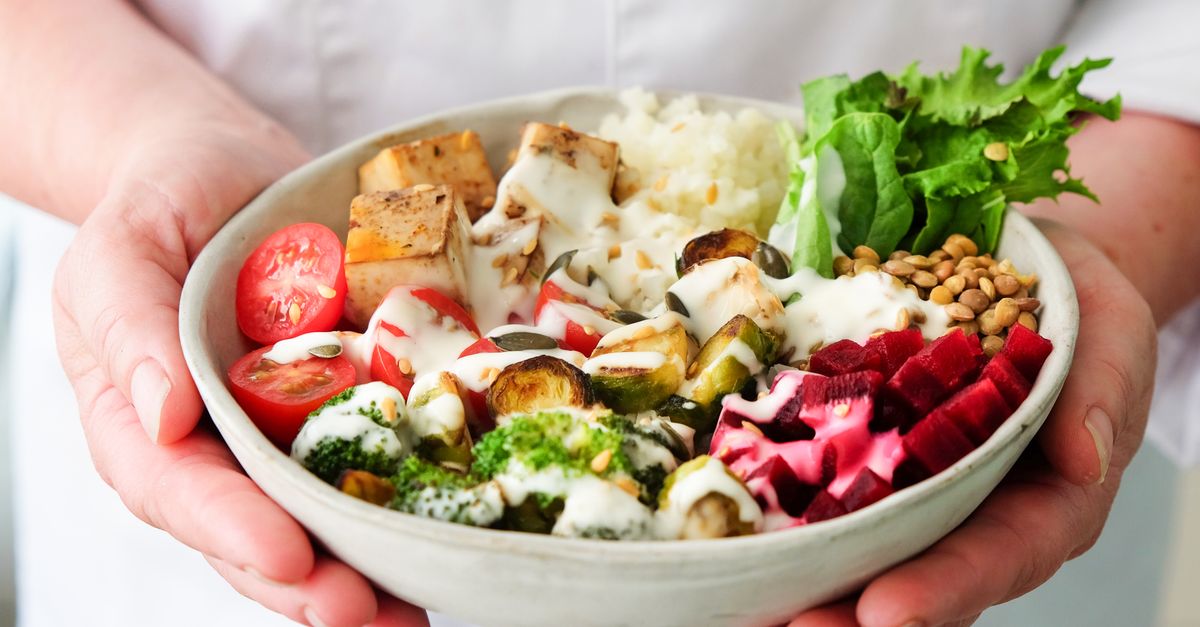
Balancing meals while juggling meetings, commutes and a social life can feel like a high-wire act. My own trick is the three-component formula: a palm-sized portion of protein, a cup of fibrous vegetables, and a modest serving of complex carbs. This ratio keeps you full, stabilises blood sugar, and avoids the “I’m still hungry after dinner” trap.
Instead of cooking a new recipe every night - which often ends in takeout on a tired evening - I set aside ninety minutes on a Sunday to batch-cook a base protein. Whether it’s a simmering pot of chickpea stew, a tray of baked salmon, or a skillet of turkey mince, the key is versatility. The cooked protein can be diced into salads, tossed with quinoa for a quick lunch, or reheated with frozen veg for a speedy dinner.
When I spoke with a Dublin-based personal trainer, she confirmed that pre-portioning meals reduces decision fatigue. “Clients who have their meals ready are 30% less likely to order take-away,” she said, noting that the reduced mental load frees up energy for their home workouts. The synergy between nutrition and exercise is obvious: a well-fed body performs better, and a consistent workout routine reinforces the habit of meal prep.
Practical tip: invest in a set of reusable containers with compartments. Fill each with the three components, label the day, and store them in the fridge. By the time you walk out of the office, you simply grab a container, heat it, and you’re set. No guesswork, no extra spend on lunch specials.
For beginners, this approach also aligns with the recommended 150 minutes of moderate cardio per week. When your meals are balanced, you’ll have the stamina for a 30-minute jog or a home HIIT session without feeling light-headed. The consistency of both nutrition and movement builds a virtuous circle that makes the whole lifestyle feel attainable.
Essential Grocery Shopping Tips For Healthy Eating
Professional grocery shoppers in Ireland swear by the ‘outer perimeter’ rule: stay in the fresh produce and meat zones, and avoid the high-markup middle aisles where processed snacks hide. This habit alone cuts the temptation to buy overpriced, low-nutrient foods that end up as experiments in your crisper drawer.
When I was preparing a feature on budgeting tools, I used the same logic to compare two grocery trips. One shopper stuck to the perimeter, buying a bag of carrots, a slab of chicken breast, and a tub of plain yoghurt. The other wandered the centre, picking up flavored rice cakes, diet soda, and granola bars. The first basket cost €22, the second €35 - a stark illustration of how layout influences spend.
Creating a digital list based on a weekly menu is another game-changer. I draft my menu on Sunday night, then translate it into a concise list of ingredients. As I walk the aisles, I tick items off, resisting the impulse to add “just a few” of anything else. The discipline not only saves money but also reduces food waste - the crisper stays organized, not a laboratory of half-eaten experiments.
Unit price comparison is vital. A 500-gram pack of generic oats may list €1.50, while a branded version at €2.20 looks tempting because of the colourful packaging. By dividing the price by the weight, you see the generic is actually €0.003 per gram versus €0.0044 for the brand - a clear win for the wallet.
Lastly, don’t dismiss generic labels outright. In most cases, the nutritional content is identical to the premium organic counterpart, especially for staples like beans, rice, and frozen peas. Allocate the saved euros to higher-quality proteins - think wild-caught salmon or free-range eggs - and you’ll have an affordable nutrition plan that still feels premium.
Pairing Nutritious Food Choices With Workout Routines For Beginners
Here’s the thing about fuel: your body needs glycogen stores to power even low-impact home workouts. A balanced plate of protein, veg and carbs ensures you have the energy for a 20-minute bodyweight circuit without feeling drained.
Resistance training 2-3 times a week, paired with protein-dense meals, prevents the dreaded muscle loss that many beginners experience when they focus solely on calorie restriction. I once interviewed a physiotherapist who highlighted that a simple post-workout snack of Greek yoghurt and a handful of berries replenishes muscles and keeps the metabolism humming.
For those wary of high-impact gym sessions, a low-impact plan - think brisk walking, light kettlebell swings, or beginner yoga - works beautifully when combined with consistent meal patterns. The routine creates a subtle, steady shift in body composition without the stress of heavy lifting. Over weeks, you’ll notice tighter waistlines, improved mood, and better sleep - all markers of a holistic approach.
When I trialled a 30-minute home workout with a friend who works as a Dublin solicitor, we paired it with a pre-prepared quinoa-bean salad. The energy levels stayed stable, and she reported less afternoon slump. The lesson is clear: when nutrition and exercise are aligned, the results feel natural rather than forced.
To keep things simple, schedule your workouts right after a meal or a snack, allowing the digestive process to supply glucose. If you’re pressed for time, a quick protein shake (a scoop of whey with water) works as a bridge between training and the next meal, ensuring you don’t dip into muscle reserves.
Frequently Asked Questions
Q: Can I eat healthy on a tight budget without buying premium brands?
A: Yes. Focus on frozen vegetables, bulk legumes, and generic staples. Compare unit prices, audit your pantry first, and allocate saved money to quality protein sources. Whole foods deliver nutrition without the premium price tag.
Q: How much time should I spend on meal prep each week?
A: Around ninety minutes on a Sunday works for most busy professionals. Cook a versatile protein base, portion it with veg and carbs, and store in containers. This short investment eliminates daily decision-making and supports consistent nutrition.
Q: Are frozen vegetables as nutritious as fresh?
A: Frozen veg are flash-frozen at peak ripeness, locking in vitamins. They often retain more nutrients than fresh produce that sits on shelves for days. They’re also cheaper and have a longer shelf life, making them ideal for an affordable nutrition plan.
Q: What’s a simple protein-carb-veg ratio for beginners?
A: Aim for a palm-sized portion of protein, a cup of fibrous vegetables, and a modest serving of complex carbs (like a quarter cup of brown rice). This 1-1-0.5 ratio keeps you full, stabilises energy, and is easy to scale.
Q: How do I avoid impulse buys in the supermarket?
A: Stick to a digital list derived from your weekly menu, shop the store perimeter first, and compare unit prices. Resist the middle-aisle temptations and remember that each impulse purchase adds to waste and costs.
Q: Is it better to exercise before or after eating?
A: Light exercise can be done on an empty stomach, but for resistance work aim for a small snack or meal 60-90 minutes prior. This provides glycogen for energy and reduces muscle breakdown, especially important for beginners.