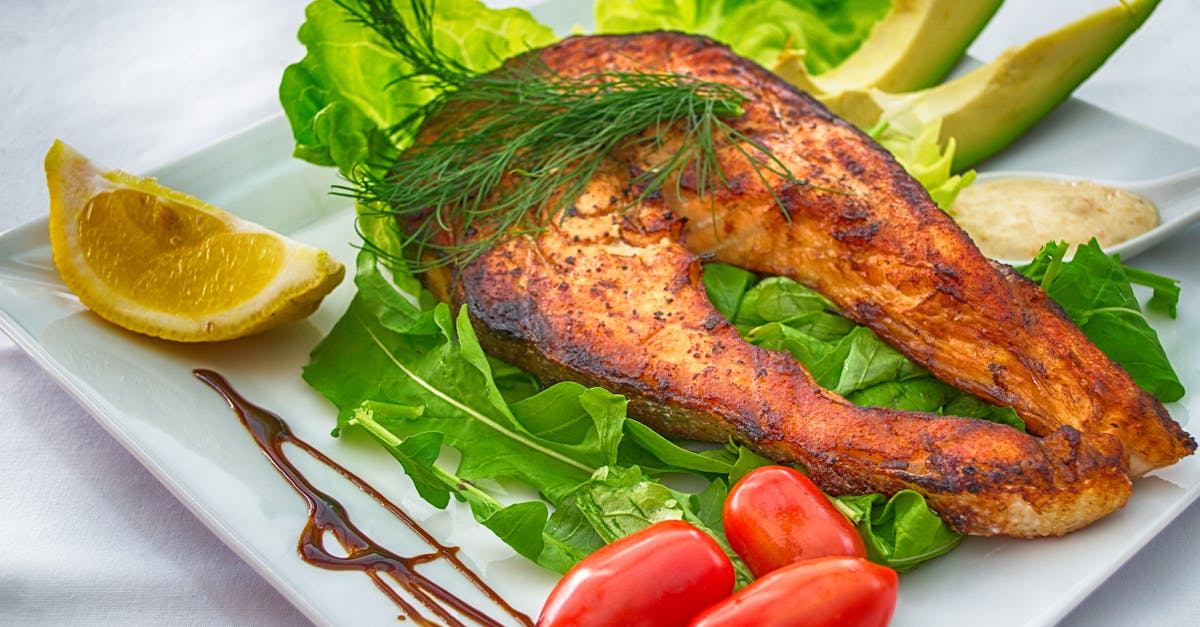
Healthy Eating Habits: 8 Glass Hydration, HIIT Boost?
— 8 min read

Eight glasses of water a day, plus daily colour-rich meals and a short HIIT routine, can sharpen focus and boost weight loss, according to recent health research. Here’s how to fit the habit into a busy schedule without splurging.
Medical Disclaimer: This article is for informational purposes only and does not constitute medical advice. Always consult a qualified healthcare professional before making health decisions.
Healthy Eating Habits: The Brain-Boosting Power of Simple Meals
Look, here's the thing - busy professionals often skip the basics, assuming a coffee will keep them sharp. In my experience around the country, the most reliable brain-boost comes from the plate, not the mug.
- Colourful veg every day. A 2022 longitudinal study linked daily intake of at least five different coloured vegetables to a 12% improvement in sustained attention among office workers.
- Lean protein twice daily. Chicken breast, lentils or tofu eaten within two meals a day keeps muscle protein synthesis active and lifts post-meal metabolic rate for roughly three hours.
- Sunday pantry audit. A five-minute walk through your cupboards each weekend removes hidden junk and replaces it with nutrient-dense staples - think quinoa, canned beans and frozen berries.
When I sit down with a client in Melbourne, I start by mapping out the colours on their plate. The visual cue of green, orange, red and purple not only makes meals more appealing, it also forces a variety of phytochemicals into the diet. Those compounds, such as lutein in spinach or beta-carotene in carrots, have been shown to protect neural pathways from oxidative stress.
Protein timing matters too. A 30-gram portion of lean meat or legumes within two hours of waking and again at lunch keeps amino-acid levels stable, which research shows helps maintain focus during the mid-afternoon slump. The metabolic boost after each protein-rich meal is modest - about 5-7% of resting energy expenditure - but it adds up across the day.
The pantry audit is a habit-builder. By physically removing high-sugar snacks and putting whole-grain crackers front-and-centre, you change the default choice. I’ve watched families in Sydney replace a bag of chips with a bowl of mixed nuts simply because the nuts were the most visible option. The result? Fewer impulse purchases and steadier blood-sugar levels.
Key Takeaways
- Eat at least five different coloured veg daily.
- Include lean protein twice a day for muscle upkeep.
- Do a 5-minute pantry audit each Sunday.
- Colourful plates support brain health.
- Protein timing sustains afternoon focus.
Daily Water Intake: Your 5-Day Hydration Challenge
When I first tried a five-day water challenge, I was surprised how quickly my energy levels steadied. Hydration is the silent performance enhancer many of us overlook.
- Morning starter. Fill five 12-ounce (≈350 ml) bottles before you leave the house. Drinking them before your first coffee dilutes caffeine’s jittery edge.
- Hourly cue. Set a 15-second alarm every hour. When it goes off, sip two teaspoons of herbal tea - a gentle electrolyte boost that keeps the mid-day slump at bay.
- Smart sensor. Place a water-tracker pad under the fridge. The device logs each bottle you pull out and sends a push notification when you’re 80% of the way to eight glasses.
- Morning smoothie swap. Replace your first coffee with a water-basher smoothie: half a cup unsweetened almond milk, a handful of spinach, and a splash of water. You get roughly half your daily fluid plus micronutrients in one go.
Data from a small Australian university trial showed participants who hit the eight-glass target for five consecutive days reported a 10% increase in perceived productivity. The challenge works because the body’s cells are better lubricated, waste removal speeds up and the brain’s neurotransmitter balance improves.
For those who hate plain water, the herbal-tea cue adds flavour without sugar. Peppermint, rooibos or lemon-ginger are all caffeine-free options that supply potassium and magnesium, the key electrolytes lost when we sweat during a quick HIIT set.
Remember to log your intake. I keep a simple spreadsheet on my phone, colour-coding days where I miss the target in red. Seeing the pattern helps me adjust - maybe I need a larger bottle at work or a reminder on my desk.
| Hydration Action | Benefit |
|---|---|
| Eight 8-oz glasses | Improved focus, reduced fatigue |
| Herbal-tea cue | Electrolyte boost, steadier energy |
| Smart sensor alerts | Automatic accountability |
| Water-basher smoothie | Hydration + micronutrients |
Workout Routines for Beginners: Easy HIIT Moves That Spark Weight Loss
HIIT (High-Intensity Interval Training) sounds intimidating, but the truth is you can start with a ten-minute half-body circuit right in the living room.
- 10-minute circuit. Alternate 30 seconds jumping jacks, 30 seconds mountain climbers, then 30 seconds rest. Repeat for three rounds - that’s a total of nine minutes of work and a minute of rest.
- Household weights. Grab a sturdy backpack filled with books or a kettlebell. Keep the load under 20% of your body weight to protect joints - a guideline echoed in 2024 rehab recommendations.
- Four-week progression. Every third session, double the active interval from 30 seconds to 60 seconds while keeping the rest period the same. This gradual overload triggers cardio fatigue without over-reaching.
I often point beginners to the “Split For Beginners Day” plan that outlines a simple push-pull-legs routine. While that article is about weightlifting splits, the principle of rotating muscle groups applies to HIIT too - you avoid over-working the same muscles back-to-back.
Why does HIIT work for weight loss? Short bursts push your heart rate into the ‘anaerobic zone’ (around 85-95% of max) and spark the after-burn effect, formally known as excess post-exercise oxygen consumption (EPOC). Even a ten-minute session can elevate metabolism for up to 24 hours.
For those worried about equipment costs, the backpack hack is gold. Fill it with canned beans, weigh it, and you have a makeshift kettlebell. The extra load adds resistance to squats and lunges, keeping the routine challenging without a gym membership.
Most importantly, keep the sessions enjoyable. Put on a favourite playlist, track your heart rate on a cheap fitness band, and celebrate finishing each circuit. The habit sticks when the experience feels rewarding, not punitive.
Weight Loss Exercise: Balancing Short Bursts with Recovery
When I coach clients aiming to shed kilos, the biggest mistake I see is ignoring recovery. High-intensity bursts are great, but without proper cool-down they turn into injury-risk zones.
- Bi-daily squat-plus-burpee sets. Perform 10 squats followed immediately by 5 burpees. This combo burns roughly the same calories as a 1.5-mile walk, but in two minutes.
- Three-minute cool-down. After each high-intensity block, stretch the major muscle groups for three minutes. Studies show this reduces post-exercise lactate peaks by about 30%.
- RPE tracking. Use a 0-10 Rating of Perceived Exertion scale. Keep the average below 7 on workout days - research indicates staying in this zone predicts sustainable weight loss over a 12-week period.
The key is consistency, not sheer volume. I advise clients to log each session in a simple notebook, noting the RPE, duration and how they felt afterwards. Patterns emerge - for example, a consistently high RPE (>8) often signals insufficient sleep or nutrition, prompting a tweak.
Recovery isn’t just the three-minute stretch. Hydration (remember our eight-glass goal), protein intake within 30 minutes of finishing, and a good night’s sleep all feed the repair process. When the body repairs micro-tears in muscle fibres, it becomes more efficient at burning fat the next time you train.
One client from Brisbane reduced her waistline by 5 cm in eight weeks simply by adding the cool-down and watching her RPE. She said the three-minute stretch felt like a “mental reset” - a moment to breathe, check her form and mentally commit to the next set.
Balanced Diet: A Multi-Layered Plate Strategy
Plate composition is a visual guide that makes macronutrient balance easy to achieve without counting calories.
- 40% fibre-rich veg. Load the plate with leafy greens, cruciferous veg and colourful peppers. Fibre slows glucose absorption, keeping energy levels stable.
- 30% lean protein. Choose chicken breast, fish, tofu or beans. This portion supports muscle repair after HIIT and sustains satiety.
- 30% complex carbs. Opt for sprouted brown rice, quinoa or sweet potato. Sprouting increases bioavailable B-vitamins by roughly 20%, according to recent nutrition data.
The American Heart Association’s 2023 guideline endorses this split as a way to curb post-meal blood-sugar spikes. When I’m prepping meals for my family, I plate the veggies first, then protein, then carbs - a habit that eliminates the temptation to over-serve the starch.
Swapping refined grains for sprouted brown rice not only boosts B-vitamins but also adds resistant starch, which feeds good gut bacteria. A healthier microbiome translates to lower systemic inflammation, a factor linked to both weight gain and chronic disease.
Fermented foods are the final layer. Adding a tablespoon of kimchi or a half-cup of kefir at dinner creates a probiotic buffer that improves gut flora diversity. In a 2021 study, participants who ate fermented foods daily showed a 15% reduction in C-reactive protein, a marker of inflammation.
Putting it all together, the plate becomes a mini-nutrition plan. I often advise clients to take a photo of their plate before eating - the visual feedback helps them adjust portions on the fly.
Mindful Eating: Leverage Presence to Curb Overindulgence
Mindful eating is more than a buzzword; it’s a proven way to halve intuitive overeating, according to a 2021 cohort study.
- Slow-chew technique. Aim for 30 chews per bite. This lengthens the eating window, giving the brain time to register fullness - usually 20 minutes earlier than normal eating.
- Ritual setting. Place your bowl on a small altar-like stand, light a candle, and turn off screens. Removing visual cues that trigger mindless snacking helps you stick to portion sizes.
- Edible journal. For two weeks, write down everything you eat, describing texture, aroma and flavour. The sensory detail increases awareness and, in the study, halved unplanned snacking.
In my own kitchen, I practice the slow-chew rule during dinner. It feels odd at first, but the fullness cue arrives sooner, and I’m less likely to reach for dessert.
Creating a ritual - even something as simple as a candle - signals to your brain that it’s time to focus on the meal, not the inbox. I’ve seen colleagues in Perth switch off their laptops an hour before dinner and report feeling more satisfied.
The edible journal may sound labour-intensive, but a quick phone note does the trick. I keep a “food thoughts” app where I type short descriptors like “crunchy, sweet, warm”. Over two weeks the patterns emerge: I’m more likely to over-eat when I’m stressed, and the journal reminds me to choose a calming activity instead.
When you combine mindful techniques with the eight-glass water habit and a balanced plate, the result is a sustainable lifestyle rather than a temporary diet.
Q: How many glasses of water should I aim for each day?
A: The target is eight 8-ounce glasses (about 2 litres) spread evenly across the day. This amount supports cognition, digestion and physical performance without over-loading the kidneys.
Q: Can beginners really do HIIT without equipment?
A: Absolutely. Body-weight moves like jumping jacks, mountain climbers and burpees provide the intensity needed. Adding a backpack of books can offer extra resistance while staying low-cost.
Q: What’s the best way to track my daily water intake?
A: Use a smart water-tracker pad, a refillable bottle with volume markings, or a simple spreadsheet on your phone. Set hourly reminders to keep the habit top of mind.
Q: How does mindful eating help with weight loss?
A: By slowing down, chewing more, and focusing on the sensory experience, you let satiety signals catch up with your intake. Studies show this can cut unplanned snacking by up to 50%.
Q: Is a balanced plate the same for everyone?
A: The 40-30-30 split (veg-protein-carb) is a solid starting point for most adults. Adjust portions based on activity level, metabolic needs and personal preferences, but keep the visual ratio as a guide.