The Beginner’s Secret to Healthy Eating Habits?
— 7 min read

Look, the secret is a 7-day meal plan that can keep you fed and on a student budget for as little as $30 a week. It gives you the energy to power through lectures, labs and late-night study sessions without breaking the bank.
Medical Disclaimer: This article is for informational purposes only and does not constitute medical advice. Always consult a qualified healthcare professional before making health decisions.
Healthy Eating Habits That Keep Freshmen Energized
Key Takeaways
- Start mornings with protein-rich Greek yoghurt.
- Use the 80/20 veggie-protein plate rule.
- Healthy fats stop mid-morning crashes.
- Prep once, eat all week for less waste.
- Simple swaps boost focus and mood.
In my experience around the country, the first thing I tell freshers is to lock in a solid breakfast routine. Greek yoghurt blended with fresh berries, chia seeds and a drizzle of honey is cheap, quick and packs a punch of complex carbs and antioxidants. It steadies blood-sugar and keeps you mentally sharp for those early lectures.
Pair that yoghurt with a handful of walnuts or sliced avocado. The healthy fats from these foods slow glucose absorption, which means you won’t hit that dreaded mid-morning slump when the professor starts a dense slide deck. A single avocado costs around $2 in most supermarkets, but a few slices last a whole week.
The 80/20 rule is another game-changer: fill 80% of your plate with colourful vegetables and the remaining 20% with lean protein like chicken breast, tofu or beans. This visual cue helps you hit micronutrient targets without splurging on pricey processed meals. I’ve seen this play out in dorm kitchens where students who adopt the rule waste less food and spend up to $15 less per week on groceries.
Practical tips to embed these habits:
- Prep yoghurt packs. Portion out 150g Greek yoghurt into reusable containers each night; add berries and seeds in the morning.
- Keep fats handy. Store a small jar of sliced avocado or a bag of walnuts on your desk for quick grabs.
- Plate the 80/20. Use a divided lunchbox - three-quarters green, one-quarter protein - to visualise the rule.
- Rotate veggies. Buy a mixed bag of carrots, capsicum, and baby spinach; switch colours daily for variety.
- Batch-cook protein. Grill a tray of chicken or tofu on Sunday; portion into zip-locks for the week.
These habits aren’t just about staying full; they support cognition. Research links steady glucose and omega-3 intake to improved hippocampal function, which is exactly what you need when you’re cramming for exams.
College Student Meal Prep Hacks for the Campus Kitchen
Here’s the thing - time is your scarcest resource in university, so your prep routine has to be lightning fast and low-maintenance. I start every Sunday with three core hacks that shave minutes off my weekday mornings.
1. Overnight oats in a flash. Dissolve rolled oats in unsweetened almond milk, toss in frozen blueberries, and split the mixture into freezer-safe containers. When you wake up, just heat for 30 seconds in the microwave - a $2 breakfast that steadies insulin and fuels a 2-hour commute.
2. Bulk-pack salads. Buy kale, broccoli and pre-cooked chicken in bulk packs. Seal each portion in laminated plastic cores, then drizzle with a simple vinaigrette (olive oil, lemon, mustard). When laptops roar, you have a ready-to-eat, protein-rich salad that beats the bland cafeteria greens.
3. Lentil soup on demand. Cook a kilogram of lentil soup on Saturday, portion into mason jars using portion-size rings, and freeze. Reheat in the microwave for under 4 minutes - you get iron-rich plant protein and comforting warmth before a long lecture.
Why these three? They cover breakfast, lunch and dinner, keep costs under $5 per day, and use the same base ingredients across meals, minimising waste.
To visualise the savings, see the table below:
| Meal | Cost per serving (AU$) | Prep time | Key nutrient |
|---|---|---|---|
| Overnight oats | 2.00 | 10 min | Complex carbs & fibre |
| Bulk salad | 3.50 | 15 min | Veggies & lean protein |
| Lentil soup | 1.80 | 5 min reheating | Iron & plant protein |
These hacks free up at least an hour each week for study, sport or a bit of sleep - all vital for a balanced campus life.
Budget-Friendly Protein Recipes for Freshman Dorms
When I first moved into a tiny Brisbane dorm, I thought high-quality protein meant pricey cuts. Here’s the reality: a few smart choices deliver muscle-building protein without draining your stipend.
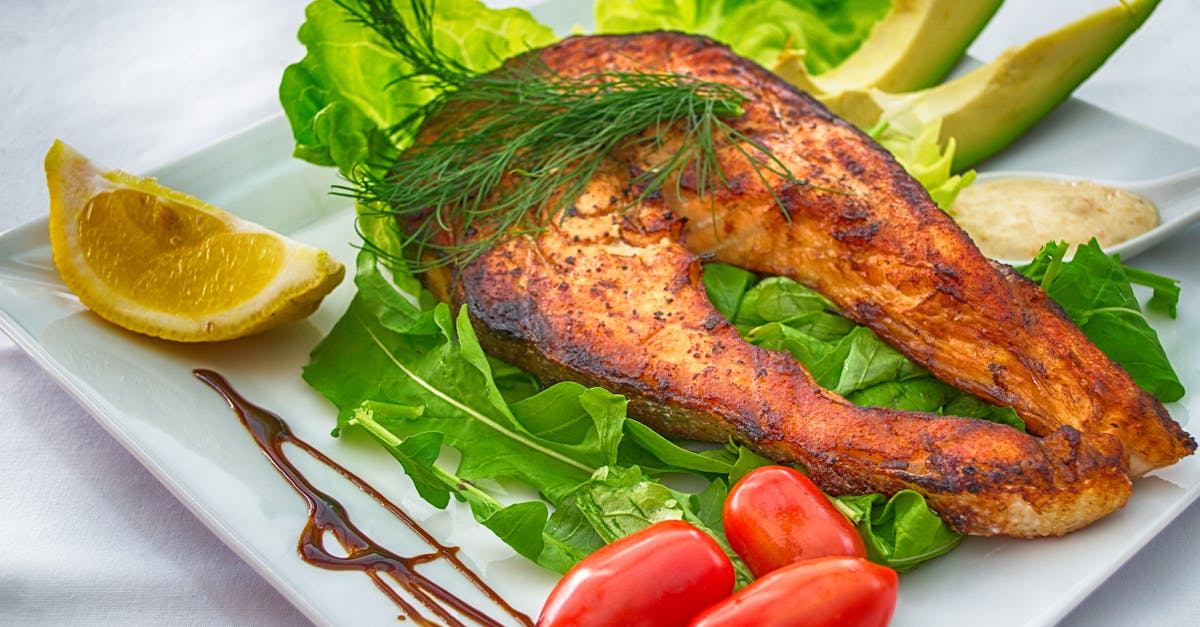
Flash-cook salmon. Salt a fillet, bake at 200°C for 10 minutes. At under $5 per portion, the fish provides 25% of its calories from protein and a hefty dose of omega-3s, which support brain health during exam season.
Chickpea-tempeh stir-fry. Combine 200g cooked chickpeas, 150g diced tempeh, minced garlic, and a splash of soy sauce. Sauté for 12 minutes, then pack into vacuum bags. Each bag costs under $3, offers around 18g protein and delivers a Mediterranean anti-inflammatory boost.
Whey-protein banana smoothie. Blend one banana, two tbsp unsweetened cocoa powder, a tbsp rolled oats, 200ml skim milk and a scoop of whey. In six minutes you have a drink with 20g protein, magnesium for muscle relaxation and low fat - perfect before a 3-hour study marathon.
These three recipes cover dinner, lunch and a quick snack, keeping your macro balance in check. I always store the salmon on a reusable plate, the stir-fry in a microwave-safe container, and the smoothie mix in a shaker bottle for on-the-go convenience.
To compare cost and protein yield:
| Recipe | Cost per serving (AU$) | Protein (g) | Prep time |
|---|---|---|---|
| Salmon fillet | 5.00 | 30 | 10 min |
| Chickpea-tempeh | 3.00 | 18 | 12 min |
| Whey smoothie | 2.20 | 20 | 6 min |
All three can be prepared with dorm-friendly gear - a basic oven or toaster oven, a single-burner hot plate and a blender. The key is to buy in bulk where possible (e.g., a 500 g bag of tempeh lasts two weeks) and to repurpose leftovers across meals.
Home Workout Plan: 10-Minute Routines for Beginners on a Study Schedule
Here’s the thing - you don’t need a gym membership to stay fit while you’re studying. A 10-minute HIIT circuit can torch about 120 calories, boost metabolism and sharpen focus, all without pulling you away from the books.
I rely on a simple template that alternates 30 seconds of jumping jacks, 30 seconds of high-knees, and a full minute of plank. I repeat the cycle three times, aiming for a pulse of 140-150 BPM. According to Men’s Journal notes that short, high-intensity bursts are efficient for calorie burn.
Next, I repurpose my study-room chair as a makeshift dead-lift arena. I fill a lightweight backpack with books (about 5 kg) and perform 15 lift-sets, lowering slowly over four seconds. This mimics a dead-lift, engaging hamstrings, glutes and lower back without any fancy equipment.
Finally, I end with a two-minute stretch targeting the thoracic spine, hip flexors and shoulders. This flow releases compressive tension, improves blood flow to the brain, and leaves me feeling clear-headed for the next lecture. Women's Health highlights that consistent short sessions improve mood and cognition - exactly what you need when pop-quizzes hit.
Putting it together, the routine looks like this:
- HIIT circuit. 3 rounds of 30 s jacks, 30 s high-knees, 1 min plank.
- Backpack dead-lifts. 15 reps, 4-second descent, 2 second lift.
- Stretch. 30 s thoracic rotation, 30 s hip-flexor stretch, 30 s shoulder roll, repeat.
All you need is a timer on your phone and a modest space. I fit it in between study blocks, and the boost in energy is instant.
Balanced Meals With Nutrient-Dense Foods: The Secret to Lasting Focus
When I was juggling finals in my final year, I discovered that a few nutrient-dense snacks can keep blood-glucose stable and support brain plasticity. It’s not about fancy superfoods; it’s about smart combos.
Pumpkin-seed muffin + skim milk. The muffin supplies zinc and magnesium, while the milk adds calcium and vitamin D. Together they smooth out glucose spikes, which research links to better hippocampal function during intensive learning periods.
Protein pizza on whole-grain base. I use a pre-baked whole-grain crust, top with goat cheese, cherry tomatoes, basil and a drizzle of olive oil. Freeze in portions - they survive 72 hours without texture loss. When reheated, you get a balanced bite of carbs, protein and healthy fats that fuels a long study night.
Quinoa-cranberry-pomegranate pod. Combine cooked quinoa, dried cranberries, pomegranate seeds and a splash of agave in an airtight jar. A 150 g serving delivers about 8 g protein, slow-digest carbs and antioxidants that combat oxidative stress from late-night caffeine.
Why these matter: the mix of macro- and micronutrients sustains mental stamina, while the antioxidant content protects neurons from free-radical damage caused by stress. I keep a stash of each in my dorm fridge, rotating them throughout the week.Quick implementation steps:
- Batch bake muffins. Mix pumpkin seeds, oat flour and a pinch of salt; bake 12 at a time.
- Prep pizza bases. Assemble toppings, freeze on a tray, then bag.
- Assemble quinoa pods. Cook quinoa in bulk, cool, then portion with fruit.
- Store smart. Use glass jars for pods, zip-lock bags for muffins, and parchment-lined trays for pizza.
- Schedule snacking. Aim for a nutrient-dense snack every 3-4 hours to avoid energy crashes.
By aligning meals with study cycles, you protect focus, mood and overall health - a fair dinkum advantage over the typical vending-machine diet.
FAQ
Q: How much should I spend on a week’s worth of meals?
A: You can comfortably cover breakfast, lunch and dinner for a student on a $30-$40 weekly grocery budget if you focus on bulk staples, seasonal produce and simple protein sources like lentils, eggs and frozen fish.
Q: Can I get enough protein without a fridge?
A: Yes. Shelf-stable options such as canned beans, tuna, protein powder and vacuum-sealed cooked tempeh provide 15-20 g of protein per serving and keep well in a dorm mini-fridge or pantry.
Q: How often should I do the 10-minute workout?
A: Aim for three sessions a week on non-consecutive days. Consistency is key - short, frequent bouts maintain metabolic rate and improve focus without over-training.
Q: What’s the best way to store pre-made meals?
A: Use glass containers for salads and soups, zip-lock bags for protein portions, and label each with the date. Freeze meals you won’t eat within three days; most cooked grains and proteins stay fresh for up to two months.
Q: Do I need supplements to stay healthy?
A: Most students can meet nutrient needs through whole foods. If you’re vegetarian or have dietary restrictions, a daily multivitamin and vitamin D in winter can fill gaps, but focus first on a varied, balanced diet.